A question examined
The Surprising Truth About Dandelion Tea: Who Should Avoid It?
Discover the surprising benefits of dandelion tea and learn who should avoid it for safety. Explore its health impacts and nutritional profile.
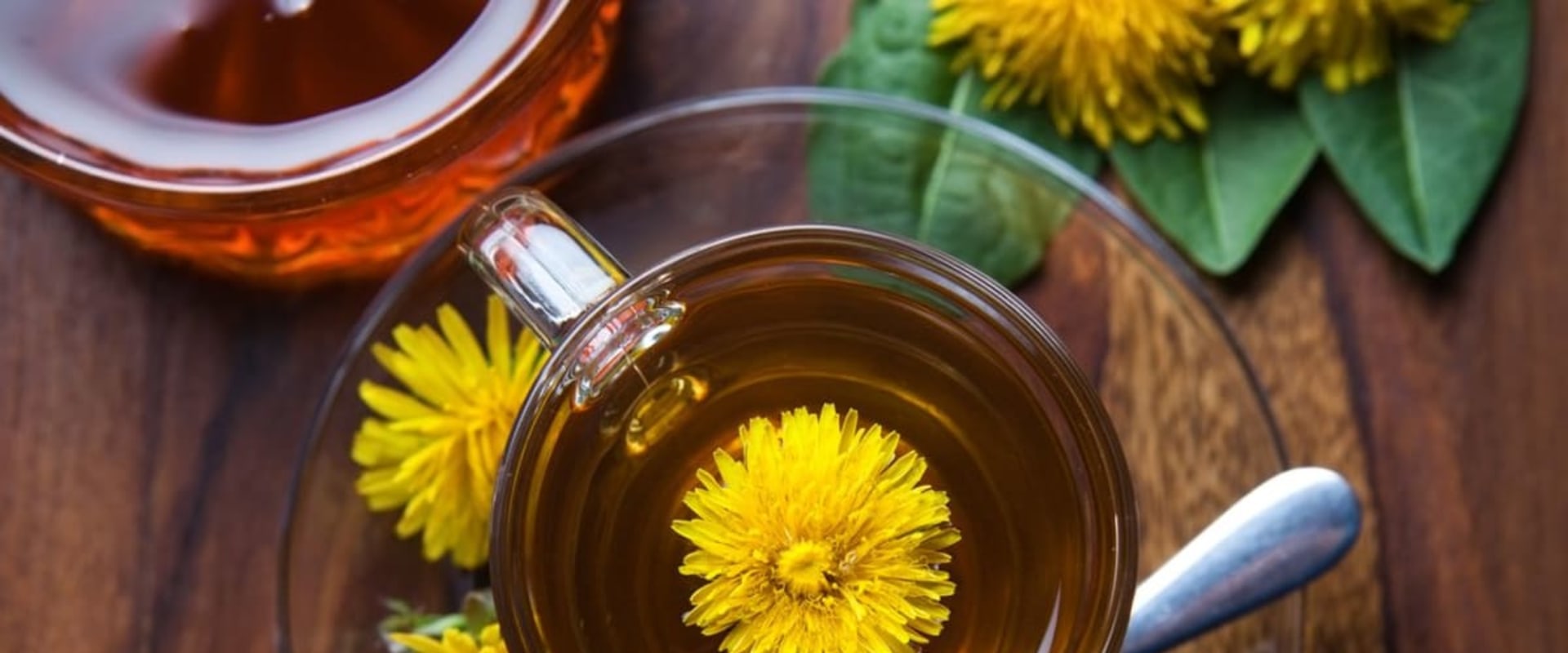
Dandelion tea, derived from the leaves, roots, and flowers of the dandelion plant (Taraxacum officinale), has been cherished for centuries in various cultures for its remarkable health benefits. This herbal infusion is not just a simple beverage; it embodies a rich history of traditional medicine, particularly in Europe and Asia, where it has been utilized to support digestive health, detoxification, and overall wellness. As more people seek natural remedies to enhance their health, dandelion tea has gained significant popularity in modern wellness circles. The dandelion tea benefits are numerous and diverse, making it an appealing choice for those looking to incorporate herbal solutions into their daily routines. Rich in vitamins A, C, and K, as well as minerals like potassium and calcium, dandelion tea serves as a nutrient-dense option that can contribute to a balanced diet.
Additionally, its diuretic properties may aid in flushing out toxins and excess water from the body, promoting kidney health and potentially supporting weight management. However, while the health benefits of dandelion tea are compelling, it is essential to approach this herbal remedy with an informed perspective. Not everyone may experience the same positive effects; some individuals might encounter adverse reactions or interactions with medications. Understanding what dandelion tea is and how it works within the body is crucial for anyone considering adding it to their health regimen. In this article, we will delve deeper into the myriad benefits of dandelion tea while also addressing who should exercise caution when consuming it. By exploring both sides of this herbal remedy, we aim to provide a comprehensive overview that empowers readers to make informed decisions about their health.
Nutritional Profile of Dandelion Tea
Dandelion tea is not only a flavorful herbal beverage but also a powerhouse of nutrients that can contribute to overall health.Understanding the nutritional profile of dandelion tea is essential for appreciating its potential health benefits.
Vitamins in Dandelion Tea
Dandelion tea is rich in several vitamins that play crucial roles in maintaining bodily functions:- Vitamin A: This vitamin is vital for maintaining healthy vision, skin, and immune function. Dandelion leaves are particularly high in beta-carotene, which the body converts into vitamin A.
- Vitamin C: Known for its antioxidant properties, vitamin C helps protect cells from damage and supports the immune system. Dandelion tea can provide a good source of this essential vitamin.
- Vitamin K: Important for blood clotting and bone health, vitamin K is abundant in dandelion leaves. Regular consumption of dandelion tea may help maintain adequate levels of this nutrient.
Minerals in Dandelion Tea
In addition to vitamins, dandelion tea contains several important minerals:-
Calcium: Essential for strong bones and teeth, calcium is found in significant amounts in dandelion.
Drinking dandelion tea can be a natural way to boost your calcium intake.
- Potassium: This mineral is crucial for heart health and regulating blood pressure. Dandelion tea can help replenish potassium levels, especially after exercise or sweating.
- Iron: Important for transporting oxygen in the blood, iron is another mineral present in dandelion. Consuming dandelion tea may support those looking to increase their iron intake.
Antioxidants and Other Compounds
Dandelion tea is also rich in antioxidants, which help combat oxidative stress and inflammation in the body. These compounds include:- Chicoric acid: Known for its anti-inflammatory properties, chicoric acid may help reduce inflammation and support overall health.
- Luteolin: This flavonoid has been studied for its potential anti-cancer properties and ability to protect against neurodegenerative diseases.
By incorporating this herbal beverage into your routine, you can enjoy not only its unique flavor but also its numerous health benefits.
Health Benefits of Dandelion Tea
Dandelion tea is gaining recognition for its numerous health benefits, making it a popular choice among herbal enthusiasts. This vibrant yellow flower, often dismissed as a mere weed, is packed with nutrients and compounds that can significantly enhance overall health.Digestive Support
One of the most notable benefits of dandelion tea is its ability to support digestive health. The tea acts as a natural diuretic, promoting the production of urine and helping to flush out toxins from the body. Additionally, dandelion contains inulin, a type of prebiotic fiber that nourishes beneficial gut bacteria.
This can lead to improved digestion and enhanced nutrient absorption.
Moreover, dandelion tea may alleviate common digestive issues such as bloating and constipation. Its bitter compounds stimulate the production of digestive enzymes, which can help break down food more efficiently. Regular consumption may lead to a more balanced digestive system and reduced discomfort after meals.
Liver Health
The liver plays a crucial role in detoxifying the body, and dandelion tea is believed to support liver function effectively. The antioxidants found in dandelion help combat oxidative stress, which can damage liver cells.
Furthermore, dandelion has been shown to promote bile production, aiding in fat digestion and the elimination of waste products.
Research suggests that dandelion may also protect against liver diseases by reducing inflammation and promoting cell regeneration. For individuals looking to detoxify their liver naturally, incorporating dandelion tea into their routine could be a beneficial step.
Anti-Inflammatory Properties
Dandelion tea is rich in polyphenols and other anti-inflammatory compounds that can help reduce inflammation throughout the body. Chronic inflammation is linked to various health issues, including heart disease and arthritis. By drinking dandelion tea regularly, individuals may experience a reduction in inflammatory markers, leading to improved overall health.
In summary, dandelion tea offers a range of health benefits, particularly for digestion and liver health.
Its natural properties make it an excellent addition to a balanced diet for those seeking to enhance their well-being.
Who Should Avoid Dandelion Tea?
While dandelion tea is celebrated for its numerous health benefits, it is crucial to recognize that it may not be suitable for everyone. Certain individuals should exercise caution or completely avoid this herbal infusion due to potential allergic reactions or interactions with medications. While dandelion tea is celebrated for its numerous health benefits, it is crucial to recognize that it may not be suitable for everyone. Certain individuals should exercise caution or completely avoid this herbal infusion due to potential allergic reactions or interactions with medications.Individuals with Allergies
People who have known allergies to plants in the Asteraceae family, which includes ragweed, daisies, and chrysanthemums, should be particularly cautious. Dandelion is a member of this family, and consuming it could trigger allergic reactions ranging from mild symptoms like skin rashes and itching to severe reactions such as anaphylaxis. If you have a history of allergies to these plants, it is advisable to consult a healthcare provider before trying dandelion tea.Pregnant and Breastfeeding Women
Pregnant and breastfeeding women are often advised to avoid herbal teas unless specifically recommended by a healthcare professional.The effects of dandelion tea on pregnancy and lactation are not well-studied, and there may be risks involved. Some compounds in dandelion could potentially stimulate uterine contractions or affect milk production, making it essential for expectant or nursing mothers to seek medical advice before consumption.
Individuals on Certain Medications
Dandelion tea can interact with various medications, leading to adverse effects. Those taking blood thinners , such as warfarin, should be cautious as dandelion may enhance the effects of these drugs, increasing the risk of bleeding. Additionally, individuals on diuretics should be aware that dandelion has natural diuretic properties, which could amplify the effects of their medication and lead to dehydration or electrolyte imbalances.People with Gastrointestinal Issues
For individuals with gastrointestinal disorders such as irritable bowel syndrome (IBS) or acid reflux, dandelion tea may exacerbate symptoms.The tea can stimulate digestion and increase stomach acid production, potentially leading to discomfort, heartburn, or diarrhea. If you have a sensitive stomach or any digestive issues, it is wise to approach dandelion tea with caution.
Conclusion
In summary, while dandelion tea offers various health benefits, certain groups should avoid it due to potential allergic reactions or interactions with medications. Always consult with a healthcare provider before incorporating new herbal remedies into your routine to ensure they align with your health needs and conditions.Potential Side Effects and Allergic Reactions
While dandelion tea is celebrated for its numerous health benefits, it is essential to be aware of the potential side effects and allergic reactions that some individuals may experience. Understanding these risks can help you make an informed decision about incorporating this herbal tea into your diet. While dandelion tea is celebrated for its numerous health benefits, it is essential to be aware of the potential side effects and allergic reactions that some individuals may experience. Understanding these risks can help you make an informed decision about incorporating this herbal tea into your diet.Common Side Effects of Dandelion Tea
Although many people consume dandelion tea without any issues, some may encounter mild to moderate side effects.These can include:
- Stomach Discomfort: Some individuals may experience gastrointestinal upset, including bloating, gas, or cramping after consuming dandelion tea.
- Diarrhea: Due to its diuretic properties, dandelion tea can lead to increased bowel movements in some people, resulting in diarrhea.
- Heartburn: The consumption of dandelion tea may trigger heartburn or acid reflux in sensitive individuals.
Allergic Reactions to Dandelion Tea
Allergic reactions to dandelion are relatively rare but can occur, particularly in individuals with existing allergies to plants in the Asteraceae family, which includes ragweed, daisies, and marigolds. Symptoms of a dandelion allergy may include:- Skin Reactions: Hives, rashes, or itching can develop after consuming dandelion tea.
- Respiratory Issues: Some individuals may experience nasal congestion, sneezing, or difficulty breathing.
- Anaphylaxis: In severe cases, an allergic reaction can lead to anaphylaxis, a life-threatening condition that requires immediate medical attention.
Symptoms of Dandelion Allergy
If you suspect that you might be allergic to dandelion tea, it is crucial to recognize the symptoms early. Common signs of a dandelion allergy include:- Itching or Swelling: This may occur around the mouth or throat shortly after consumption.
- Gastrointestinal Distress: Nausea or vomiting can also be indicative of an allergic reaction.
- Dizziness or Fainting: These symptoms may arise if the body reacts severely to the allergen.
Always consult with a healthcare provider before adding new herbal remedies to your routine, especially if you have known allergies or are taking medications that could interact with herbal supplements.
Recommended Dosage and Consumption Guidelines
When considering the incorporation of dandelion tea into your daily routine, understanding the recommended dosage and safe consumption practices is essential. While dandelion tea is celebrated for its numerous health benefits, moderation is key to avoiding potential side effects.Recommended Dosage
- The general recommendation for dandelion tea is to consume between 2 to 4 cups per day. This amount allows you to enjoy the benefits without overwhelming your system.
- For those using dandelion in supplement form, a typical dosage ranges from 10 to 15 grams of dried dandelion root or leaves daily. However, it’s crucial to follow specific product guidelines as concentrations can vary.
How Much Dandelion Tea to Drink
When brewing dandelion tea, consider the following:
-
Tea Bags: If using pre-packaged tea bags, follow the instructions on the packaging.
Typically, one bag per cup of hot water is sufficient.
- Loose Leaf: For loose leaf dandelion tea, a common ratio is about 1 teaspoon of dried leaves or roots per cup of water. Steep for 5-10 minutes to extract the beneficial compounds.
Safe Consumption Practices
To ensure safe consumption of dandelion tea, keep these guidelines in mind:
- Start Slowly: If you are new to dandelion tea, begin with one cup per day and gradually increase your intake. This approach helps your body adjust and minimizes the risk of digestive discomfort.
- Avoid Overconsumption: Consuming excessive amounts of dandelion tea can lead to side effects such as stomach upset or diarrhea. Stick to the recommended dosages to enjoy its benefits safely.
-
Consult a Healthcare Provider: If you are pregnant, breastfeeding, or taking medications (especially blood thinners or diuretics), consult your healthcare provider before adding dandelion tea to your diet.
They can provide personalized advice based on your health status.
Integrating Dandelion Tea into Your Diet Safely
Incorporating dandelion tea into your diet can be a rewarding experience, offering a range of health benefits. However, it is essential to do so safely and mindfully, especially if you have specific health conditions or are taking medications. Here are some practical tips on how to use dandelion tea effectively and deliciously.How to Use Dandelion Tea
Dandelion tea can be enjoyed in various ways, making it easy to include in your daily routine. Here are some suggestions:-
As a Morning Beverage: Start your day with a warm cup of dandelion tea instead of your usual coffee.
Its natural bitterness can help stimulate digestion and provide a gentle energy boost.
- In Smoothies: Blend brewed dandelion tea with fruits like bananas, berries, or spinach for a nutritious smoothie. This not only masks the bitter flavor but also enhances the drink's health benefits.
- In Cooking: Use dandelion tea as a base for soups or stews. It can add depth to the flavor while infusing your meals with its beneficial properties.
Recipes with Dandelion Tea
If you're looking for creative ways to enjoy dandelion tea, consider trying these simple recipes:- Dandelion Tea Lemonade: Brew a strong cup of dandelion tea and let it cool. Mix it with fresh lemon juice, honey, and water for a refreshing summer drink.
-
Dandelion Infused Honey: Steep dried dandelion flowers in honey for a few days.
This infused honey can be used as a sweetener in teas or drizzled over yogurt.
- Dandelion Salad Dressing: Combine brewed dandelion tea with olive oil, vinegar, mustard, and herbs to create a unique salad dressing that adds flavor and nutrition.
Incorporating Dandelion into Your Diet
When adding dandelion tea to your diet, moderation is key. Here are some tips to ensure you reap the benefits without adverse effects:- Start Slowly: If you're new to dandelion tea, begin with one cup per day and observe how your body reacts before increasing your intake.
- Consult Your Healthcare Provider: Especially if you have existing health conditions or are on medication, it's wise to discuss your plans with a healthcare professional.
- Avoid Excessive Consumption: While dandelion tea has many benefits, consuming it in large quantities may lead to digestive discomfort or other side effects.
FAQs About Dandelion Tea
As dandelion tea gains popularity for its potential health benefits, many people have questions about its safety, uses, and effects. Here are some frequently asked questions that can help clarify common concerns.Is dandelion tea safe to drink?
For most individuals, dandelion tea is considered safe when consumed in moderation. However, those with specific health conditions or allergies should exercise caution.It is advisable to consult a healthcare provider before adding dandelion tea to your routine, especially if you are pregnant, breastfeeding, or taking medications.
What are the health benefits of dandelion tea?
Dandelion tea is rich in antioxidants and may offer several health benefits, including:- Digestive support: Dandelion can stimulate appetite and aid digestion.
- Anti-inflammatory properties: The compounds in dandelion may help reduce inflammation in the body.
- Liver health: Dandelion is often used as a natural remedy to support liver function.
- Rich in nutrients: Dandelion leaves are high in vitamins A, C, and K, as well as minerals like potassium and calcium.
Can dandelion tea cause side effects?
While many people enjoy dandelion tea without issues, some may experience side effects such as:- Allergic reactions: Individuals allergic to plants in the Asteraceae family (like ragweed) may react to dandelion.
- Stomach upset: Some users report gastrointestinal discomfort after consuming dandelion tea.
- Diuretic effects: Dandelion can increase urination, which may not be suitable for everyone.
Who should avoid dandelion tea?
Certain groups should be cautious or avoid dandelion tea altogether:- People on blood thinners: Dandelion may interact with anticoagulant medications.
- Individuals with gallbladder issues: Dandelion can stimulate bile production, which might exacerbate gallbladder problems.
- Pregnant or breastfeeding women: Due to limited research on safety during pregnancy and lactation, it’s best to consult a healthcare provider.
Conclusion: Weighing the Benefits Against the Risks
In conclusion, the exploration of dandelion tea benefits reveals a complex interplay between its potential health advantages and the risks associated with its consumption. While dandelion tea is celebrated for its rich nutrient profile and various therapeutic properties, it is essential to approach it with caution, particularly for certain individuals. On one hand, dandelion tea is known to offer numerous health benefits, including:- Rich in Nutrients: Dandelion leaves and roots are packed with vitamins A, C, and K, as well as minerals like potassium and calcium.
- Digestive Aid: The tea may promote healthy digestion by stimulating appetite and alleviating bloating.
- Anti-inflammatory Properties: Dandelion has been shown to reduce inflammation, which can be beneficial for conditions like arthritis.
- Antioxidant Effects: The antioxidants present in dandelion can help combat oxidative stress in the body.
- Support for Liver Health: Dandelion tea is often touted for its ability to support liver function and detoxification processes.
- Allergy Sufferers: Individuals with allergies to plants in the Asteraceae family may experience adverse reactions.
- Pregnant or Breastfeeding Women: Due to limited research on safety during pregnancy and lactation, it is advisable for these individuals to avoid dandelion tea.
- Those on Specific Medications: Dandelion can interact with medications such as blood thinners and diuretics, potentially leading to complications.
By weighing these factors thoughtfully, you can make an informed choice about whether dandelion tea is a suitable addition to your wellness routine.