A question examined
The Comprehensive Benefits of Dandelion Tea: Should You Drink It Before or After Meals?
Discover the health benefits of dandelion tea and learn whether to drink it before or after meals for optimal wellness.

Dandelion tea has emerged as a popular herbal beverage, celebrated not only for its unique flavor but also for its impressive array of health benefits. Derived from the dandelion plant, which is often dismissed as a mere weed, this tea is packed with nutrients and compounds that can enhance overall well-being. As more people seek natural remedies to support their health, dandelion tea has gained traction in wellness circles, prompting many to explore its potential advantages. One of the most intriguing aspects of dandelion tea is its versatility in consumption. Many enthusiasts wonder whether it is more beneficial to drink this herbal infusion before or after meals.
Each approach offers distinct advantages that can cater to different health goals. For instance, consuming dandelion tea before meals may aid in digestion and stimulate appetite, while drinking it after meals can help with detoxification and promote a sense of fullness. Research suggests that the dandelion tea benefits extend beyond mere digestive support. This herbal drink is rich in antioxidants, vitamins, and minerals that contribute to various aspects of health, including liver function, skin health, and inflammation reduction. As we delve deeper into the topic, we will uncover the specific benefits associated with drinking dandelion tea at different times of the day and how it can fit seamlessly into your dietary routine. Whether you are a seasoned herbal tea drinker or new to the world of natural remedies, understanding the optimal timing for dandelion tea consumption can enhance your experience and maximize its health benefits.
Join us as we explore the fascinating world of dandelion tea and discover how this humble plant can play a significant role in your journey toward better health.
What is Dandelion Tea?
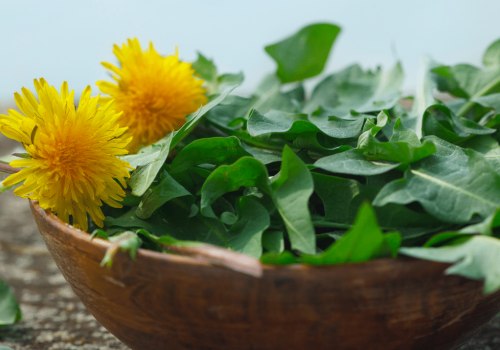
Dandelion tea is a herbal infusion made from the leaves, roots, or flowers of the dandelion plant (Taraxacum officinale). This vibrant yellow flower, often considered a weed, is packed with nutrients and has been used for centuries in traditional medicine. The tea is not only flavorful but also offers a variety of health benefits, making it a popular choice among herbal enthusiasts.Ingredients of Dandelion Tea
- Dandelion Leaves: Rich in vitamins A, C, and K, as well as minerals like potassium and calcium, dandelion leaves are often used to make a refreshing tea.
- Dandelion Roots: The roots are typically dried and ground into a powder. They have a more robust flavor and are known for their detoxifying properties.
- Dandelion Flowers: The flowers can be steeped to create a mildly sweet tea that captures the essence of spring.
How to Make Dandelion Tea
Preparing dandelion tea is simple and can be done in several ways depending on which part of the plant you choose to use.
Here’s a basic method for each:
- Using Dandelion Leaves:
- Gather fresh dandelion leaves or use dried ones.
- Boil water in a pot.
- Add one tablespoon of chopped leaves for every five ounces of water.
- Let it steep for about 5-10 minutes, then strain and enjoy.
- Using Dandelion Roots:
- Use dried dandelion root powder (about one teaspoon per cup).
- Boil water and add the root powder.
- Simmer for 10-15 minutes to extract the flavors and nutrients.
- Strain before drinking.
- Using Dandelion Flowers:
- Collect fresh dandelion flowers (make sure they are free from pesticides).
- Add them to boiling water (about 1-2 tablespoons per cup).
- Steep for 5-7 minutes, then strain and serve.
Nutritional Profile of Dandelion Tea
Dandelion tea is not only a delightful beverage but also a powerhouse of nutrition. This herbal infusion is derived from the leaves, flowers, and roots of the dandelion plant, each part contributing to its impressive nutritional profile. Understanding the vitamins and minerals present in dandelion tea can help you appreciate its numerous health benefits.Vitamins in Dandelion Tea
Dandelion tea is rich in several essential vitamins that play crucial roles in maintaining overall health.Some of the key vitamins found in this herbal tea include:
- Vitamin A: This vitamin is vital for maintaining healthy vision, skin, and immune function. Dandelion leaves are particularly high in beta-carotene, which the body converts into vitamin A.
- Vitamin C: Known for its antioxidant properties, vitamin C helps protect the body against free radicals. It also supports collagen production, which is essential for skin health.
- Vitamin K: Dandelion tea is an excellent source of vitamin K, which is important for blood clotting and bone health. This vitamin also plays a role in regulating calcium levels in the body.
- B Vitamins: Dandelion contains several B vitamins, including B1 (thiamine), B2 (riboflavin), B3 (niacin), and B6 (pyridoxine).
These vitamins are crucial for energy metabolism and maintaining a healthy nervous system.
Minerals in Dandelion Tea
In addition to its vitamin content, dandelion tea is packed with essential minerals that contribute to various bodily functions:- Calcium: Important for bone health and muscle function, calcium is abundant in dandelion leaves. Regular consumption can help meet your daily calcium needs.
- Potassium: This mineral helps regulate fluid balance, muscle contractions, and nerve signals. Dandelion tea can be a natural source of potassium, supporting cardiovascular health.
- Iron: Essential for the production of hemoglobin, iron helps transport oxygen throughout the body. Dandelion tea can contribute to your iron intake, especially beneficial for those at risk of deficiency.
- Magnesium: Known for its role in over 300 biochemical reactions in the body, magnesium supports muscle and nerve function as well as energy production.
Dandelion tea provides a good source of this vital mineral.
Health Benefits of Dandelion Tea
Dandelion tea is not just a delightful herbal beverage; it is also a powerhouse of health benefits that can enhance your overall well-being. Below, we explore some of the most significant advantages associated with drinking dandelion tea, particularly focusing on its effects on digestion and skin health.Digestive Support
One of the most notable dandelion tea benefits is its ability to support digestive health.Dandelion tea acts as a natural diuretic, which can help stimulate the production of bile in the liver. Bile is essential for breaking down fats and aiding in nutrient absorption. This increased bile flow can lead to improved digestion and may alleviate symptoms such as bloating and discomfort after meals. Moreover, dandelion tea contains prebiotic fibers that promote the growth of beneficial gut bacteria. A healthy gut microbiome is crucial for optimal digestion and can enhance your immune system.
Regular consumption of dandelion tea may help maintain a balanced gut flora, leading to better digestive health.
Skin Health Improvement
Dandelion tea is also celebrated for its potential benefits for skin health. The antioxidants found in dandelion leaves and roots can combat oxidative stress, which is a significant contributor to skin aging and various skin conditions. By drinking dandelion tea, you may help protect your skin from damage caused by free radicals. Additionally, dandelion has anti-inflammatory properties that can soothe irritated skin. Some studies suggest that dandelion extract may reduce inflammation associated with conditions like acne and eczema.Drinking dandelion tea regularly could contribute to clearer, healthier skin by reducing redness and promoting a more even complexion.
Potential Anti-Inflammatory Effects
The anti-inflammatory properties of dandelion tea extend beyond skin health. Chronic inflammation is linked to numerous health issues, including heart disease and arthritis. By incorporating dandelion tea into your daily routine, you may help mitigate inflammation throughout your body. Research indicates that the compounds in dandelion may inhibit inflammatory pathways, potentially reducing the risk of chronic diseases. While more studies are needed to fully understand these effects, the existing evidence suggests that dandelion tea could be a valuable addition to an anti-inflammatory diet. In conclusion, the health benefits of dandelion tea are multifaceted, offering support for digestion, enhancing skin health, and providing potential anti-inflammatory effects.Whether you enjoy it as a warm beverage or iced refreshment, incorporating dandelion tea into your daily routine can be a simple yet effective way to boost your overall health.
Dandelion Tea: Before or After Eating?
When considering the optimal timing for consuming dandelion tea, it’s essential to evaluate its effects on digestion and overall health. The question arises: should you drink dandelion tea before or after meals? Each option presents unique benefits that can enhance your well-being.Dandelion Tea Before Meals: Benefits
Drinking dandelion tea before meals can be particularly advantageous for several reasons:- Appetite Regulation: Consuming dandelion tea prior to eating may help regulate appetite. The natural compounds in dandelion can stimulate the production of digestive enzymes, preparing your body for food intake.
- Digestive Aid: Dandelion tea is known for its ability to promote healthy digestion. It can help stimulate bile production, which is crucial for breaking down fats and absorbing nutrients effectively.
- Detoxification: Drinking this herbal tea before meals may support liver function and detoxification processes.
A healthy liver is vital for optimal digestion and nutrient absorption.
Dandelion Tea After Meals: Benefits
On the other hand, consuming dandelion tea after meals also offers significant advantages:- Post-Meal Digestion: Sipping dandelion tea after eating can aid in digestion by helping to alleviate bloating and discomfort. Its natural diuretic properties may assist in reducing water retention, promoting a feeling of lightness.
- Nutrient Absorption: Drinking dandelion tea post-meal can enhance the absorption of nutrients. The antioxidants present in the tea may help your body utilize vitamins and minerals more efficiently.
- Blood Sugar Regulation: Some studies suggest that dandelion tea may help regulate blood sugar levels, making it a beneficial choice after meals, especially for those monitoring their glucose levels.
Conversely, if the goal is to support digestion and nutrient absorption post-meal, consuming it afterward could be more beneficial. Incorporating dandelion tea into your daily routine, regardless of timing, can contribute positively to your overall health. Experimenting with both timings may help you discover what works best for your body.
Potential Side Effects and Considerations
While dandelion tea is celebrated for its numerous health benefits, it is essential to be aware of potential side effects and considerations before incorporating it into your diet. Understanding these factors can help you make informed decisions about your health and well-being.Potential Side Effects
Although dandelion tea is generally considered safe for most people, some individuals may experience mild side effects. These can include:- Digestive Issues: Some people may experience stomach upset, diarrhea, or heartburn after consuming dandelion tea.
This is often due to its diuretic properties, which can stimulate the digestive system.
- Allergic Reactions: Individuals who are allergic to plants in the Asteraceae family, such as ragweed, chrysanthemums, and daisies, may also be allergic to dandelions. Symptoms can range from skin rashes to more severe reactions like difficulty breathing.
- Interactions with Medications: Dandelion tea may interact with certain medications, particularly those that affect blood sugar levels or blood thinners. It is crucial to consult with a healthcare professional if you are on medication.
Who Should Avoid Dandelion Tea?
While many can enjoy the benefits of dandelion tea, certain groups should exercise caution or avoid it altogether:- Pregnant and Nursing Women: There is limited research on the safety of dandelion tea during pregnancy and breastfeeding. Therefore, it is advisable for women in these categories to consult their healthcare provider before consumption.
- Individuals with Gallbladder Issues: Dandelion may stimulate bile production, which could exacerbate conditions related to the gallbladder.
Those with gallstones or other gallbladder issues should seek medical advice before drinking dandelion tea.
- People with Kidney Problems: Due to its diuretic effects, individuals with kidney disease or those on dialysis should avoid dandelion tea unless directed otherwise by a healthcare professional.
Allergies to Dandelions
If you suspect you have an allergy to dandelions, it is crucial to recognize the symptoms early. Common signs of an allergic reaction include:- Skin Reactions: Hives, rashes, or eczema-like symptoms may occur.
- Respiratory Issues: Sneezing, nasal congestion, or asthma-like symptoms can arise in sensitive individuals.
- Anaphylaxis: In rare cases, a severe allergic reaction may occur, requiring immediate medical attention.
How to Incorporate Dandelion Tea into Your Diet
Incorporating dandelion tea into your daily routine can be both enjoyable and beneficial for your health. Here are some practical tips and creative ideas to help you make the most of this herbal infusion.How to Drink Dandelion Tea
The simplest way to enjoy dandelion tea is to brew it as you would any other tea.Start with fresh or dried dandelion leaves, roots, or flowers. Here’s a basic recipe:
- Ingredients: 1 tablespoon of dried dandelion root or leaves, 1 cup of boiling water.
- Instructions:
- Place the dandelion in a teapot or cup.
- Pour boiling water over the dandelion.
- Cover and steep for 10-15 minutes.
- Strain and enjoy! You can add honey or lemon for extra flavor.
Recipes with Dandelion Tea
Dandelion tea can also be used as an ingredient in various recipes, enhancing both flavor and health benefits. Here are a couple of ideas:- Dandelion Tea Smoothie: Blend 1 cup of brewed dandelion tea with a banana, a handful of spinach, and a tablespoon of almond butter for a nutritious breakfast or snack.
- Dandelion Tea Salad Dressing: Whisk together 1/4 cup of brewed dandelion tea, 1/4 cup of olive oil, 2 tablespoons of apple cider vinegar, and a pinch of salt and pepper. This dressing adds a unique flavor to your salads.
Best Ways to Use Dandelion Tea
Dandelion tea can be enjoyed at different times throughout the day.Here are some suggestions:
- Morning Boost: Start your day with a cup of dandelion tea instead of coffee. It can help stimulate digestion and provide a gentle energy boost.
- Post-Meal Digestive Aid: Drinking dandelion tea after meals may aid digestion and reduce bloating due to its natural diuretic properties.
- Evening Relaxation: Enjoy a warm cup before bed to promote relaxation and support liver health overnight.
Frequently Asked Questions about Dandelion Tea
As dandelion tea gains popularity for its numerous health benefits, many people have questions about its safety, preparation, and effects. Here are some of the most frequently asked questions regarding dandelion tea:- Is dandelion tea safe to drink?
Yes, for most individuals, dandelion tea is considered safe.It is a natural herbal remedy that has been used for centuries. However, those with allergies to plants in the Asteraceae family, such as ragweed or daisies, should exercise caution. If you have any underlying health conditions or are pregnant or breastfeeding, it’s advisable to consult a healthcare professional before incorporating dandelion tea into your routine.
- What are the potential side effects of dandelion tea?
While dandelion tea is generally well-tolerated, some individuals may experience mild side effects such as stomach upset, diarrhea, or allergic reactions. If you notice any adverse effects after consuming the tea, it’s best to discontinue use and consult a healthcare provider. - How should I prepare dandelion tea?
To prepare dandelion tea, use one tablespoon of dried dandelion leaves or roots for every five ounces of boiling water.Steep for about 10-15 minutes to extract the beneficial compounds. You can also add honey or lemon for flavor.
- Can I drink dandelion tea every day?
Many people enjoy drinking dandelion tea daily due to its health benefits. However, moderation is key. It’s recommended to limit consumption to 1-3 cups per day to avoid potential digestive discomfort. - Does dandelion tea interact with medications?
Dandelion may interact with certain medications, particularly diuretics and blood thinners.If you are taking any prescription medications, consult your doctor before adding dandelion tea to your diet.
- What health benefits can I expect from drinking dandelion tea?
Dandelion tea is known for its potential benefits, including supporting liver health, aiding digestion, reducing inflammation, and acting as a natural diuretic. Regular consumption may also help improve skin health and boost overall wellness.
Conclusion: The Best Time to Enjoy Dandelion Tea
In conclusion, the question of whether to enjoy dandelion tea before or after meals ultimately comes down to personal preference and individual health considerations. Both timing options offer unique benefits that can enhance your overall well-being. Drinking dandelion tea before meals can serve as an excellent way to prepare your digestive system.The natural compounds found in dandelion may stimulate appetite and promote the production of digestive enzymes, making it easier for your body to break down food. This can be particularly beneficial for those who experience digestive discomfort or have a sluggish appetite. On the other hand, consuming dandelion tea after meals can aid in digestion and help alleviate feelings of fullness. Its diuretic properties may assist in flushing out excess water weight and toxins, while its anti-inflammatory effects can soothe the digestive tract. This makes it a great option for individuals looking to support their digestive health post-meal. Moreover, the rich array of vitamins and minerals present in dandelion tea contributes to its health benefits, regardless of when you choose to drink it.
Regular consumption can lead to improved liver function, enhanced skin health, and even potential weight management support. Ultimately, the best time to enjoy dandelion tea is when it fits seamlessly into your lifestyle. Whether you prefer it as a pre-meal tonic or a post-meal digestive aid, listening to your body’s signals is key. If you find that one timing works better for you than the other, feel free to adjust accordingly. As with any herbal remedy, it’s important to consider your unique health needs and consult with a healthcare professional if you have any concerns or pre-existing conditions. By incorporating dandelion tea into your routine in a way that suits you best, you can fully harness its numerous dandelion tea benefits and enjoy a healthier lifestyle.