A question examined
Unlocking the Benefits of Dandelion Tea: An Expert's Insight
Discover the health benefits of dandelion tea, from liver support to digestive aid. Learn how this herbal infusion can enhance your well-being.

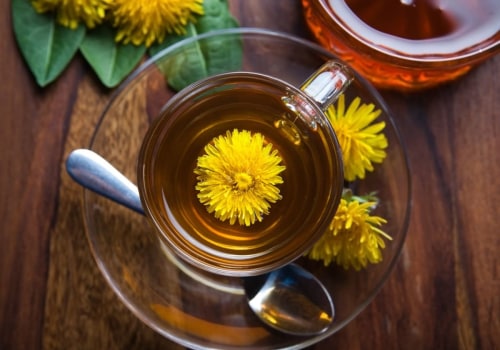
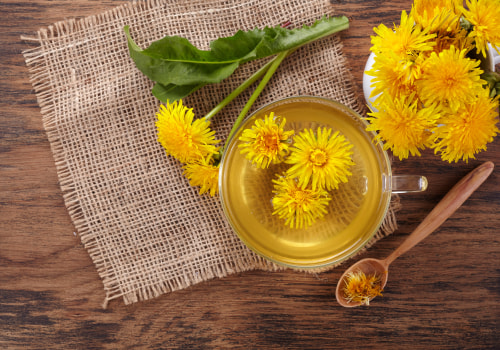
Dandelion tea, derived from the leaves and roots of the dandelion plant (Taraxacum officinale), has gained significant attention in recent years as a natural health beverage. Often dismissed as a mere weed, this resilient plant has a rich history of use in traditional medicine across various cultures. From ancient Chinese herbal practices to European folk remedies, dandelions have been celebrated for their potential health benefits, making dandelion tea a fascinating subject for both herbal enthusiasts and health-conscious individuals alike, especially considering the benefits of buying organic products. The rising popularity of dandelion tea can be attributed to its numerous purported health benefits. Many people are turning to this herbal infusion as a caffeine-free alternative to traditional teas and coffees, seeking not only a flavorful beverage but also a means to support their overall well-being. ), has gained significant attention in recent years as a natural health beverage. Often dismissed as a mere weed, this resilient plant has a rich history of use in traditional medicine across various cultures. From ancient Chinese herbal practices to European folk remedies, dandelions have been celebrated for their potential health benefits, making dandelion tea a fascinating subject for both herbal enthusiasts and health-conscious individuals alike, especially considering the benefits of buying organic products. The rising popularity of dandelion tea can be attributed to its numerous purported health benefits. Many people are turning to this herbal infusion as a caffeine-free alternative to traditional teas and coffees, seeking not only a flavorful beverage but also a means to support their overall well-being.
Rich in vitamins and minerals, dandelion tea is often praised for its potential to aid digestion, promote liver health, and even support skin vitality. As more individuals become aware of the importance of natural remedies, dandelion tea has emerged as a staple in many households. Historically, dandelions have been utilized for their medicinal properties for centuries. Ancient Egyptians used the plant for its diuretic effects, while Native Americans incorporated it into their diets for its nutritional value. The leaves and roots were often brewed into teas or consumed raw in salads.
This long-standing tradition highlights the enduring significance of dandelions in herbal medicine. Today, modern research is beginning to validate some of these historical claims, shedding light on the science behind the dandelion tea benefits that have been passed down through generations. As we delve deeper into the world of dandelion tea, it is essential to explore not only its benefits but also any potential risks associated with its consumption. Understanding the full spectrum of this herbal remedy will empower individuals to make informed choices about incorporating it into their daily routines.
Nutritional Profile of Dandelion Tea
Dandelion tea is not only a flavorful beverage but also a powerhouse of essential nutrients. Understanding the nutritional benefits of dandelion tea can help you appreciate its role in promoting overall health and well-being. One of the standout features of dandelion tea is its rich content of vitamins.This herbal infusion is particularly high in:
- Vitamin A: Essential for maintaining healthy vision, skin, and immune function, vitamin A plays a crucial role in cellular communication and growth.
- Vitamin C: Known for its antioxidant properties, vitamin C helps protect the body from oxidative stress and supports the immune system. It also aids in collagen production, which is vital for skin health.
- Vitamin K: This vitamin is important for blood clotting and bone health. Dandelion tea can contribute to your daily intake of vitamin K, which is often overlooked in many diets.
- Potassium: This mineral is essential for maintaining proper fluid balance, nerve function, and muscle contractions. Dandelion tea can help replenish potassium levels, especially after exercise.
-
Calcium: Vital for strong bones and teeth, calcium also plays a role in muscle function and nerve signaling.
Including dandelion tea in your diet can support your calcium intake.
- Magnesium: Known for its calming effects on the nervous system, magnesium helps regulate muscle and nerve function, blood sugar levels, and blood pressure.
Health Benefits of Dandelion Tea
Dandelion tea is gaining recognition not just as a flavorful beverage but also for its impressive array of health benefits.This herbal infusion, derived from the leaves and roots of the dandelion plant, has been utilized in traditional medicine for centuries. Recent studies have begun to validate many of these claims, particularly regarding its effects on liver health and digestion.
Liver Health
One of the most notable health benefits of dandelion tea is its potential to support liver function. The liver plays a crucial role in detoxifying the body, and dandelion tea may enhance this process. Research indicates that dandelion can stimulate bile production, which is essential for digestion and the elimination of toxins.Increased bile flow can help break down fats and improve nutrient absorption. Moreover, dandelion contains compounds known as sesquiterpene lactones, which have been shown to protect liver cells from damage. A study published in the journal Food and Chemical Toxicology found that these compounds could help reduce liver inflammation and promote overall liver health. This makes dandelion tea a valuable addition for those looking to support their liver function naturally.
Digestive Support
Dandelion tea is also celebrated for its digestive benefits. The tea acts as a mild laxative, which can help alleviate constipation and promote regular bowel movements.The presence of inulin, a type of prebiotic fiber found in dandelions, supports gut health by fostering the growth of beneficial bacteria in the intestines. Additionally, dandelion tea may help relieve symptoms of indigestion, such as bloating and gas. Its bitter compounds stimulate the production of digestive enzymes, enhancing the body’s ability to break down food efficiently. This can lead to improved digestion and nutrient absorption.
Anti-Inflammatory Properties
The anti-inflammatory properties of dandelion tea are another significant aspect of its health benefits. Chronic inflammation is linked to various health issues, including heart disease and arthritis.Dandelions are rich in antioxidants, particularly polyphenols, which combat oxidative stress and inflammation in the body. By incorporating dandelion tea into your diet, you may help reduce inflammation levels, potentially lowering your risk for chronic diseases. The combination of its detoxifying effects on the liver and its ability to support digestive health makes dandelion tea a powerful ally in maintaining overall wellness. In conclusion, dandelion tea offers a multitude of health benefits ranging from enhanced liver function to improved digestion and reduced inflammation. As research continues to uncover the full extent of its advantages, this humble plant proves that it deserves a place in our daily wellness routines.
Potential Risks and Considerations
While dandelion tea is celebrated for its numerous health benefits, it is essential to consider potential risks and side effects associated with its consumption. Understanding these factors can help ensure a safe and beneficial experience.Allergies to Dandelion Tea
One of the primary concerns when consuming dandelion tea is the possibility of allergic reactions.Individuals who are allergic to other plants in the daisy family , such as daisies, marigolds, or chrysanthemums, may also experience allergies to dandelions. Symptoms of an allergic reaction can include:
- Skin rashes or hives
- Itching or swelling, particularly around the face and throat
- Respiratory issues, such as difficulty breathing or wheezing
Contraindications for Dandelion Tea
In addition to allergies, certain medical conditions may contraindicate the use of dandelion tea. For instance:- Liver and Kidney Issues: While dandelion is often touted for its liver-supporting properties, individuals with existing liver or kidney problems should exercise caution. Dandelion may interact with medications used to treat these conditions, potentially exacerbating symptoms.
-
Pregnancy: Pregnant women are generally advised to avoid dandelion tea due to insufficient research on its safety during pregnancy.
Although some studies suggest potential benefits, the lack of conclusive evidence warrants caution.
- Medication Interactions: Dandelion tea may interact with certain medications, particularly diuretics and anticoagulants. The diuretic effect of dandelion can enhance the effects of other diuretics, leading to dehydration or electrolyte imbalances. Additionally, it may affect blood clotting mechanisms when taken alongside blood thinners.
Potential Side Effects
While many people consume dandelion tea without any adverse effects, some may experience mild side effects such as:- Stomach upset or digestive discomfort
- Diarrhea in sensitive individuals due to its laxative properties
- Increased urination due to its diuretic effects
How to Prepare Dandelion Tea
Preparing dandelion tea at home is a rewarding experience that allows you to enjoy its numerous health benefits while customizing the flavor to your liking. Here’s a step-by-step guide on how to make dandelion tea, along with some tips for sourcing ingredients and enhancing the brewing process.Sourcing Dandelion Ingredients
Before you start brewing, it’s essential to source high-quality dandelion leaves and roots.You can either:
- Harvest from your garden: If you have dandelions growing in your yard, ensure they haven’t been treated with pesticides or herbicides. Young leaves are best for tea.
- Purchase from a health food store: Many stores offer dried dandelion leaves and roots, which are convenient and often organic.
- Buy online: Numerous herbal suppliers sell dandelion products, allowing you to choose from various forms such as loose leaf, tea bags, or powdered extracts.
Preparation Methods
There are several methods to prepare dandelion tea, depending on whether you’re using fresh or dried ingredients:Using Fresh Dandelion Leaves
- Wash the leaves: Rinse the fresh dandelion leaves thoroughly under cold water to remove any dirt or insects.
- Chop the leaves: Cut the leaves into smaller pieces to enhance the extraction of flavors and nutrients.
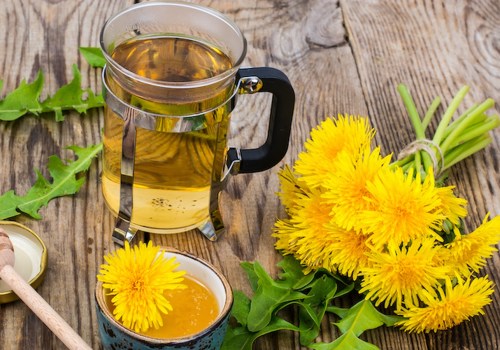
- Brew: Boil 2 cups of water and add 1-2 tablespoons of chopped leaves. Let it steep for about 10-15 minutes.
- Strain and serve: Use a fine mesh strainer to remove the leaves, then pour the tea into a cup. You can add honey or lemon for extra flavor.
Using Dried Dandelion Roots
-
Prepare the roots: If using whole dried roots, chop them into small pieces.
If using powdered root, skip this step.
- Brew: Boil 2 cups of water and add 1 tablespoon of dried root pieces (or 1 teaspoon of powder). Allow it to simmer for 20-30 minutes for a stronger flavor.
- Strain and serve: Strain the mixture into a cup and enjoy it plain or with your favorite sweetener.
Brew Tips for Enhanced Flavor
To elevate your dandelion tea experience, consider these tips:- Add spices: Incorporate spices like ginger or cinnamon during brewing for added warmth and flavor.
- Create blends: Mix dandelion with other herbal teas such as chamomile or peppermint for a unique taste profile.
- Cool down: Allow your tea to cool slightly before drinking; this enhances the flavor while preventing burns.
Dandelion Tea in Traditional Medicine
Dandelion tea has a rich history in traditional medicine, utilized by various cultures around the world for its numerous health benefits. This humble plant, often dismissed as a mere weed, has been revered for centuries for its therapeutic properties. In Chinese medicine , dandelion is known as "pu gong ying" and is traditionally used to treat a variety of ailments, including liver disorders and digestive issues. The leaves and roots are believed to help clear heat and toxins from the body, promoting overall wellness.Dandelion tea is often recommended for its diuretic properties, which can aid in flushing out excess fluids and supporting kidney function. Similarly, in European herbal traditions , dandelion has been employed for its ability to support liver health and improve digestion. Ancient Greeks and Romans recognized the plant's potential, using it to treat conditions such as jaundice and digestive disturbances. The tea made from dandelion leaves is thought to stimulate appetite and enhance bile production, making it a popular choice among herbalists. In Native American cultures , dandelion was used not only as a food source but also for its medicinal properties. Various tribes utilized the roots and leaves to create teas that were believed to help with inflammation and skin conditions.
The cultural significance of dandelion extends beyond its medicinal uses; it symbolizes resilience and adaptability, thriving in diverse environments. The cultural significance of dandelion tea is also evident in its role in folk medicine. Many cultures have passed down recipes and remedies involving dandelion, often incorporating it into seasonal rituals or health practices. For instance, in some regions, dandelion tea is consumed during springtime as a way to detoxify the body after winter. Today, as interest in herbal medicine continues to grow, dandelion tea is gaining recognition not only for its historical uses but also for its potential health benefits supported by modern research. This blend of traditional wisdom and contemporary understanding highlights the enduring legacy of dandelion as a valuable herbal remedy.
Dandelion Tea vs.
Other Herbal Teas When exploring the world of herbal teas, dandelion tea stands out not only for its unique flavor but also for its impressive array of health benefits. To fully appreciate its value, it’s essential to compare it with other popular herbal teas, such as chamomile, peppermint, and ginger tea.
Dandelion Tea vs. Chamomile Tea
Chamomile tea is renowned for its calming effects and is often used to promote sleep and reduce anxiety. While dandelion tea offers benefits like liver detoxification and digestive support, chamomile excels in providing relaxation and aiding in sleep quality.Both teas contain antioxidants, but chamomile is particularly rich in apigenin, a compound linked to reduced insomnia.
Dandelion Tea vs. Peppermint Tea
Peppermint tea is widely recognized for its ability to soothe digestive issues and relieve headaches. It contains menthol, which can help relax muscles in the gastrointestinal tract. In contrast, dandelion tea not only aids digestion but also supports liver health and acts as a diuretic.While both teas can be beneficial for digestive health, dandelion tea offers a broader range of benefits that extend beyond the digestive system.
Dandelion Tea vs. Ginger Tea
Ginger tea is celebrated for its anti-inflammatory properties and ability to alleviate nausea. It is particularly effective for those suffering from motion sickness or morning sickness during pregnancy. Dandelion tea, on the other hand, provides a more comprehensive approach to health by supporting liver function and promoting detoxification.While ginger may be the go-to for immediate relief from nausea, dandelion tea offers long-term health benefits that can enhance overall well-being.
Benefits of Herbal Teas
Herbal teas are not just flavorful beverages; they are packed with health benefits that can support various aspects of wellness. Many herbal teas contain antioxidants that combat oxidative stress, while others may have anti-inflammatory properties that help reduce chronic disease risk. Incorporating a variety of herbal teas into your diet can provide a holistic approach to health. In summary, while dandelion tea has its unique advantages—such as promoting liver health and acting as a natural diuretic—it is essential to consider how it complements other herbal teas. Each type of herbal tea brings its own set of benefits to the table, making them valuable additions to a balanced diet aimed at enhancing overall health.Frequently Asked Questions about Dandelion Tea
As the popularity of dandelion tea continues to rise, many individuals have questions about its safety, benefits, and uses.Below are some of the most frequently asked questions regarding this herbal beverage.
Is dandelion tea safe to drink?
For most people, dandelion tea is considered safe when consumed in moderate amounts. However, individuals with allergies to plants in the daisy family, such as ragweed, daisies, or chrysanthemums, should exercise caution. It’s also advisable for those with existing liver or kidney conditions to consult a healthcare professional before incorporating dandelion tea into their diet.What are the health benefits of dandelion tea?
Dandelion tea is rich in antioxidants and has been linked to several potential health benefits:- Liver Health: Dandelion is believed to support liver function and detoxification.
- Digestive Aid: The tea may help stimulate appetite and improve digestion.
- Anti-inflammatory Properties: The polyphenols in dandelions can help reduce inflammation in the body.
- Rich in Nutrients: Dandelion tea contains vitamins A, C, and K, as well as minerals like potassium.
Can I drink dandelion tea every day?
While many people enjoy dandelion tea daily without issues, moderation is key. Drinking it in excess may lead to digestive discomfort or other side effects.It’s best to start with one cup a day and monitor how your body responds.
Are there any side effects associated with dandelion tea?
Some individuals may experience mild side effects such as:- Stomach upset
- Allergic reactions (in sensitive individuals)
- Increased urination due to its diuretic properties
Can pregnant women drink dandelion tea?
The safety of dandelion tea during pregnancy is not well established. While some studies suggest potential benefits, it’s recommended that pregnant women avoid it unless advised otherwise by a healthcare professional. In summary, while dandelion tea offers numerous potential health benefits and is generally safe for most people, it’s essential to be aware of individual health conditions and consult with a healthcare provider if you have any concerns.Conclusion: Embracing the Power of Dandelion Tea
In conclusion, the exploration of dandelion tea benefits reveals a wealth of potential health advantages that can enhance our overall well-being. This humble plant, often dismissed as a mere weed, is packed with nutrients and compounds that have been utilized in traditional medicine for centuries. As we have discussed, dandelion tea is rich in antioxidants, particularly polyphenols, which play a crucial role in protecting our cells from oxidative stress and inflammation. One of the standout features of dandelion tea is its ability to support liver health.The polysaccharides found in dandelion are known to promote bile production and aid in detoxification processes, making it a valuable addition for those looking to improve their liver function. Furthermore, the potential to lower triglyceride levels and improve cholesterol profiles adds another layer of appeal for individuals concerned about cardiovascular health. Additionally, dandelion tea may serve as a natural diuretic, helping to flush out excess fluids and support kidney function. This can be particularly beneficial for those dealing with water retention or urinary tract issues. The tea's role in enhancing digestion and appetite stimulation further underscores its versatility as a herbal remedy. However, it is essential to approach dandelion tea with mindfulness.
Individuals with allergies to related plants or those undergoing treatment for specific health conditions should consult healthcare professionals before incorporating it into their diets. Pregnant women should also exercise caution due to the inconclusive evidence regarding its safety during pregnancy. Ultimately, embracing the power of dandelion tea can be a rewarding journey towards better health. Whether enjoyed as a soothing beverage or used as part of a holistic wellness routine, this remarkable herbal infusion offers numerous benefits worth considering. As you explore the world of herbal teas, let dandelion tea be a staple in your pantry, inviting you to experience its unique flavors and potential health benefits.