A question examined
The Truth About Dandelion Tea: Can You Drink Too Much?
Discover the health benefits of dandelion tea, potential side effects, and safe consumption guidelines to enhance your wellness journey.
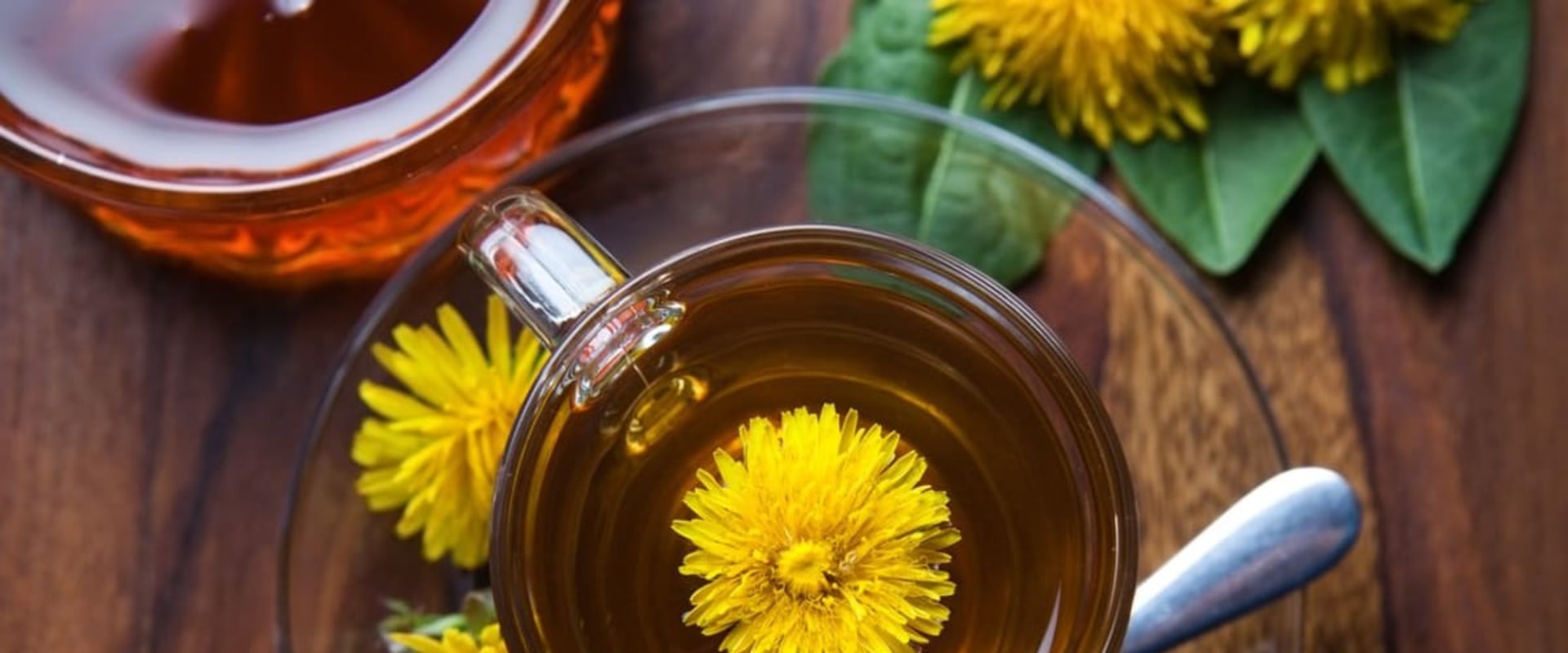
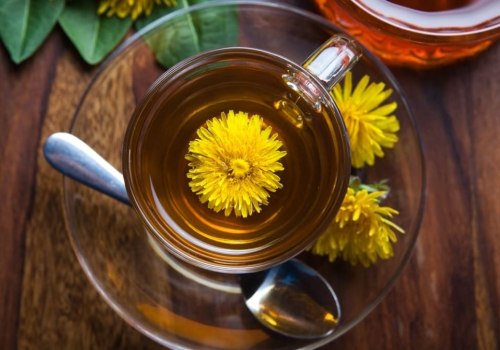
Dandelion tea, derived from the vibrant yellow flowers and roots of the dandelion plant, has been cherished for centuries in various cultures for its remarkable health benefits. Originating from Europe and Asia, this herbal infusion has made its way into modern wellness practices, gaining popularity among health enthusiasts and herbalists alike. The dandelion, often dismissed as a mere weed, is actually a powerhouse of nutrients and medicinal properties that can enhance overall well-being. As more people seek natural remedies to support their health, dandelion tea benefits have come to the forefront. Rich in vitamins A, C, and K, as well as minerals like potassium and calcium, dandelion tea is not only a flavorful beverage but also a source of essential nutrients.
Its potential to aid digestion, support liver function, and act as a natural diuretic makes it an appealing choice for those looking to improve their health naturally. In addition to its nutritional profile, dandelion tea is celebrated for its antioxidant properties. These compounds help combat oxidative stress in the body, which can lead to chronic diseases if left unchecked. With a growing body of research supporting its health claims, dandelion tea is becoming a staple in many households. However, as with any herbal remedy, it’s crucial to understand both the benefits and potential risks associated with its consumption. This article will delve deeper into the myriad advantages of dandelion tea while also addressing concerns about overconsumption and possible side effects.
By exploring the full spectrum of what dandelion tea has to offer, readers can make informed decisions about incorporating this herbal infusion into their daily routines.
Health Benefits of Dandelion Tea
Dandelion tea is not just a delightful herbal beverage; it is also packed with numerous health benefits that can enhance your overall well-being. This tea, derived from the leaves, roots, and flowers of the dandelion plant, is rich in essential nutrients and bioactive compounds that contribute to its therapeutic properties.Nutritional Value of Dandelion Tea
- Vitamins and Minerals: Dandelion tea is a good source of vitamins A, C, and K, as well as several B vitamins. It also contains important minerals such as potassium, calcium, magnesium, and iron.
- Antioxidants: The tea is rich in antioxidants like flavonoids and phenolic compounds, which help combat oxidative stress in the body.
- Fiber: Dandelion leaves are high in dietary fiber, which supports digestive health and promotes regular bowel movements.
Health Benefits of Dandelion Tea
The health benefits of dandelion tea are extensive and varied:
- Digestive Health: Dandelion tea has been traditionally used to aid digestion. It stimulates appetite and promotes bile production, which is essential for fat digestion.
The fiber content also helps maintain gut health by supporting beneficial bacteria.
- Liver Support: One of the standout benefits of dandelion tea is its potential to support liver function. The compounds found in dandelions may help detoxify the liver and improve its ability to process toxins.
- Anti-Inflammatory Properties: The anti-inflammatory effects of dandelion tea can help reduce inflammation throughout the body, potentially alleviating symptoms associated with chronic inflammatory conditions.
- Diuretic Effects: Dandelion tea acts as a natural diuretic, promoting increased urine production. This can be beneficial for flushing out excess fluids and toxins from the body.
- Skin Health: The antioxidants in dandelion tea may contribute to healthier skin by combating free radicals that cause premature aging. Additionally, its anti-inflammatory properties can help soothe skin irritations.
However, as with any herbal remedy, it’s advisable to consult with a healthcare professional before making significant changes to your diet or if you have underlying health conditions.
Potential Side Effects of Dandelion Tea
While dandelion tea is celebrated for its numerous health benefits, it is essential to be aware of the potential side effects that may arise from its consumption. Understanding these risks can help you enjoy this herbal beverage safely and effectively. One of the most common concerns associated with dandelion tea is its impact on the digestive system. Some individuals may experience gastrointestinal issues such as:- Diarrhea: The diuretic properties of dandelion can lead to increased bowel movements, which may result in diarrhea for some users.
- Stomach Inflammation: For those with sensitive stomachs, dandelion tea might cause irritation, leading to discomfort or inflammation.
- Heartburn: The consumption of dandelion tea can sometimes trigger acid reflux or heartburn, particularly in individuals prone to these conditions.
Here are some categories of medications that may interact with dandelion tea:
- Diuretics: Since dandelion has natural diuretic effects, combining it with prescription diuretics could lead to excessive fluid loss and electrolyte imbalances.
- Blood Thinners: Dandelion may enhance the effects of anticoagulants, increasing the risk of bleeding.
- Antacids: The alkaline nature of dandelion can interfere with the effectiveness of antacids, potentially leading to increased acidity in the stomach.
- Diabetes Medications: Dandelion may lower blood sugar levels, which could be problematic for those taking insulin or other diabetes medications.
By consuming it in moderation and seeking professional guidance when necessary, you can safely enjoy this herbal remedy.
Recommended Dosage of Dandelion Tea
When it comes to enjoying the benefits of dandelion tea, understanding the appropriate dosage is crucial for maximizing its health advantages while minimizing potential side effects. Unlike many herbal remedies, dandelion tea does not have a universally established dosage guideline. However, general recommendations can help you navigate your consumption safely. Most herbalists and nutrition experts suggest that consuming up to two cups of dandelion tea per day is a safe and effective amount for most individuals. This moderate intake allows you to reap the numerous dandelion tea benefits, such as improved digestion, enhanced liver function, and increased hydration, without overwhelming your system. It's important to note that individual tolerance can vary significantly.Factors such as age, weight, overall health, and any pre-existing medical conditions can influence how your body reacts to dandelion tea. Therefore, if you are new to this herbal infusion, it is wise to start with a smaller amount—perhaps one cup per day—and gradually increase your intake as your body adjusts.
Listening to Your Body
As with any herbal remedy, paying attention to how your body responds is essential. Some individuals may experience mild digestive upset or other side effects when consuming dandelion tea, especially if they exceed the recommended dosage. Common side effects can include:- Stomach discomfort
- Diarrhea
- Heartburn
- Increased urination due to its diuretic properties
Consulting with Healthcare Professionals
For those who are pregnant, nursing, or taking medications—especially diuretics or blood thinners—it's advisable to consult with a healthcare provider before incorporating dandelion tea into your routine.Certain medications may interact with the compounds found in dandelion, potentially leading to unwanted side effects. In summary, while there is no strict dosage for dandelion tea, adhering to a limit of two cups per day is generally considered safe for most people. Starting slowly and monitoring your body's response will help you enjoy the many dandelion tea benefits while ensuring a positive experience.
How to Prepare Dandelion Tea
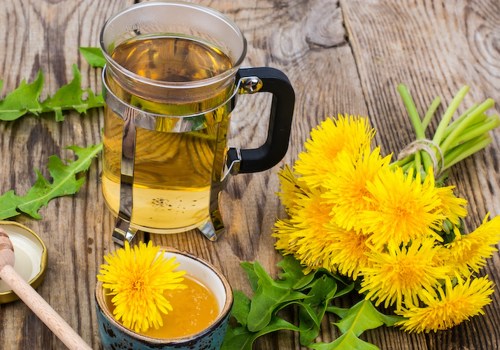
Preparing dandelion tea can be a delightful experience, allowing you to enjoy the numerous health benefits of this remarkable plant. Whether you choose to use fresh or dried dandelion leaves and roots, the process is straightforward and can be customized to suit your taste preferences.Using Fresh Dandelion Leaves
If you have access to fresh dandelion leaves, you can create a refreshing tea that captures the essence of spring. Here’s how:- Harvesting: Pick young, tender dandelion leaves in the morning when they are most flavorful.
Ensure they are free from pesticides and pollutants.
- Washing: Rinse the leaves thoroughly under cold water to remove any dirt or insects.
- Brewing: Boil 2 cups of water in a pot. Add about 1 cup of fresh dandelion leaves to the boiling water. Reduce the heat and let it simmer for 10-15 minutes.
- Straining: After simmering, strain the tea into a cup using a fine mesh strainer or cheesecloth.
- Flavoring: You can enhance the flavor by adding honey, lemon, or ginger according to your preference.
Using Dried Dandelion Roots
Dried dandelion roots offer a more robust flavor and are often used for their health benefits. Here’s a simple recipe:- Preparation: If you have whole dried roots, chop them into smaller pieces for better extraction.
- Boiling: Bring 4 cups of water to a boil in a saucepan.
Add 2 tablespoons of dried dandelion root.
- Simmering: Reduce the heat and let it simmer for about 20-30 minutes. The longer you simmer, the stronger the flavor will be.
- Straining: Strain the mixture into your favorite mug.
- Additions: Consider adding spices like cinnamon or cardamom for an aromatic twist, or sweeten with maple syrup for a unique flavor profile.
Dandelion Tea Blends
You can also experiment by blending dandelion tea with other herbs. Here are some popular combinations:- Dandelion and Mint: Combine dandelion leaves with fresh mint for a refreshing herbal infusion.
- Dandelion and Chamomile: Mix dried dandelion root with chamomile flowers for a calming bedtime tea.
- Dandelion and Ginger: Add fresh ginger slices to your dandelion tea for an invigorating kick.
Who Should Avoid Dandelion Tea?
While dandelion tea offers numerous health benefits, it is essential to recognize that it may not be suitable for everyone.Certain individuals should exercise caution or avoid this herbal beverage altogether due to potential allergies, health conditions, or interactions with medications.
Allergies to Dandelions
One of the primary groups of individuals who should avoid dandelion tea are those with known allergies to plants in the Asteraceae family, which includes daisies, marigolds, and chrysanthemums. Symptoms of an allergic reaction can range from mild to severe and may include:- Itching or swelling of the mouth and throat
- Skin rashes or hives
- Difficulty breathing or wheezing
Individuals with Specific Health Conditions
Certain health conditions may also warrant caution when consuming dandelion tea:- Diabetes: Dandelion tea can lower blood sugar levels. For individuals on diabetes medications, this could lead to hypoglycemia. It is crucial for those with diabetes to monitor their blood sugar closely if they choose to consume this tea.
- Kidney Issues: Due to its diuretic properties, dandelion tea can increase urine production.
Individuals with kidney problems should consult their healthcare provider before incorporating this tea into their diet.
- Liver Conditions: While dandelion is often praised for its liver-supporting properties, those with existing liver conditions should approach it cautiously and seek medical advice.
Medication Interactions
Dandelion tea may interact with various medications, leading to adverse effects. Some common medications that could potentially interact include:- Blood Thinners: Dandelion may enhance the effects of anticoagulants, increasing the risk of bleeding.
- Diuretics: Since dandelion has diuretic effects, combining it with other diuretics could lead to excessive fluid loss and electrolyte imbalances.
- Antacids: Dandelion can affect stomach acidity; thus, it may interfere with the effectiveness of antacid medications.
Frequently Asked Questions about Dandelion Tea
As dandelion tea continues to gain popularity for its numerous health benefits, many people have questions about its safety and usage. Below are some of the most frequently asked questions regarding dandelion tea.Is dandelion tea safe to drink?
Generally, dandelion tea is considered safe for most individuals when consumed in moderation.However, it is essential to be aware of your body’s reactions and any potential interactions with medications. If you have underlying health conditions or are pregnant, it’s advisable to consult a healthcare professional before incorporating dandelion tea into your routine.
What are the health benefits of dandelion tea?
Dandelion tea is rich in antioxidants and has been linked to various health benefits, including:- Digestive Health: Dandelion tea can aid digestion and promote a healthy gut by acting as a prebiotic.
- Anti-inflammatory Properties: The compounds in dandelion may help reduce inflammation in the body.
- Liver Support: Dandelion is traditionally used to support liver function and detoxification.
- Rich in Nutrients: It contains vitamins A, C, K, and several B vitamins, along with minerals like potassium and iron.
Can I drink dandelion tea every day?
While many people enjoy drinking dandelion tea daily, it’s recommended to limit consumption to about 1-2 cups per day. This helps prevent any potential side effects such as digestive discomfort or increased urination due to its diuretic properties.Are there any side effects associated with dandelion tea?
Some individuals may experience mild side effects from drinking dandelion tea, including:- Stomach upset or diarrhea
- Allergic reactions in sensitive individuals
- Increased urination
Can dandelion tea interact with medications?
Yes, dandelion tea can interact with certain medications. It may affect blood sugar levels, diuretics, and medications that impact liver function.Always consult your doctor if you are taking prescription medications or have concerns about potential interactions. In summary, while dandelion tea offers numerous health benefits and is generally safe for most people, it’s crucial to consume it mindfully and be aware of any personal health considerations.
Conclusion: Enjoying Dandelion Tea Responsibly
In summary, dandelion tea is a remarkable herbal beverage that offers a variety of health benefits. From its potential to support digestive health to its anti-inflammatory properties, this tea can be a valuable addition to your daily routine. However, as with any herbal remedy, it is crucial to approach its consumption with caution and mindfulness. While many individuals can enjoy dandelion tea without experiencing adverse effects, moderation is key. The general recommendation is to limit your intake to no more than two cups per day.This guideline helps mitigate the risk of potential side effects such as digestive discomfort or interactions with medications. Moreover, it is essential to recognize that everyone’s body reacts differently to herbal products. Some people may find that they are particularly sensitive to dandelion tea, experiencing issues like stomach upset or increased urination. Therefore, if you are new to dandelion tea, consider starting with a smaller amount and gradually increasing your intake as your body adjusts. For those who are currently taking medications or have underlying health conditions, consulting with a healthcare professional before incorporating dandelion tea into your diet is highly advisable. This step ensures that you avoid any potential interactions and can safely enjoy the benefits of this herbal infusion. In conclusion, dandelion tea can be a delightful and healthful addition to your beverage choices when consumed responsibly.
By being aware of your body’s responses and seeking guidance from healthcare providers when necessary, you can fully appreciate the myriad benefits that dandelion tea has to offer while minimizing any risks associated with its consumption.